
Have You Spent Years Trying to Make Yourself Fit In?
Maybe you’ve spent years wondering why you can focus for hours on one thing but can’t start another. Why a change in plans can throw off your whole day. Why sounds, crowds, conversations, or everyday demands can sometimes feel like too much.
Or maybe you’ve gotten really good at hiding how hard some things actually feel.
You may have ADHD, AuDHD, be autistic, identify as neurodivergent, or still be figuring out what makes sense for you. Neurodivergent-affirming therapy can help you better understand yourself and find ways of navigating life that work with your brain, not against it.
Gray Matters Therapy & Consulting, LLC provides neurodivergent-affirming therapy, including ADHD, autism, and AuDHD therapy, online throughout Massachusetts.
Neurodivergent Doesn’t Mean Bad or Wrong
Neurodiversity recognizes that there isn’t one right way for a brain to work. People can think, communicate, process information, experience emotions, and interact with the world in different ways.
But the world isn’t designed with those differences in mind.
Understanding how your brain works can help you make sense of what you need, what gets in the way, and what actually works for you.
Some of These May Feel Familiar

Masking & Trying to Fit In
You may find yourself changing how you communicate, react, move, or express yourself around other people, or hiding when you’re overwhelmed so you can meet what’s expected of you.

Executive Functioning & Task Paralysis
You may know exactly what you need to do but still struggle to start, organize, prioritize, switch tasks, manage time, or follow through.

Sensory Differences & Overload
Sound, light, textures, crowds, smells, touch, or other sensory experiences may feel distracting, uncomfortable, or overwhelming. Some can be comforting or regulating.

Burnout & Exhaustion
Keeping up with demands, masking, managing sensory overload, or constantly pushing yourself can leave you feeling depleted and unable to do things you normally can.
Emotions & Overwhelm
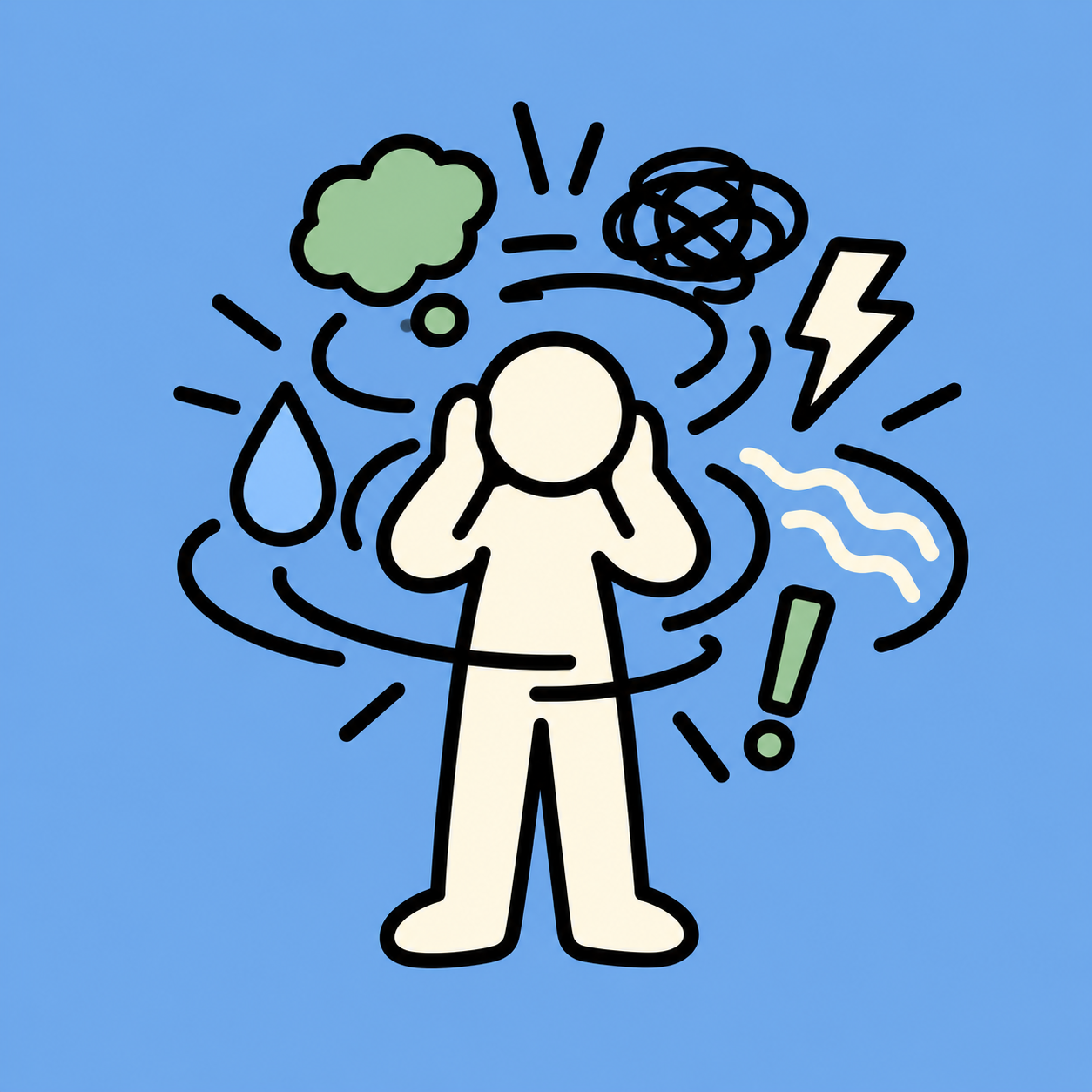
Emotions may come quickly or intensely. When you’re overwhelmed, you may shut down, have difficulty figuring out what you need, or need more time to settle and process what happened.

Relationships & Communication
You may communicate, connect, express needs, understand social expectations, or handle conflict differently from the people around you. Sometimes those differences can leave you feeling misunderstood.

Routines, Transitions & Change
You may rely on routine and predictability but also struggle to create or maintain structure, especially when plans change or you have to shift from one thing to another.

Identity & Understanding Yourself
You may be making sense of a diagnosis or self-identification, recognizing years of masking or feeling different, questioning things you’ve believed about yourself, or figuring out what being neurodivergent means for you.
What Is Neurodivergent-Affirming Therapy?
Neurodivergent-affirming therapy works with your brain rather than expecting you to communicate, function, or experience the world in a more neurotypical way. For people with ADHD, autism, AuDHD, or other forms of neurodivergence, it focuses on understanding what works for you and finding strategies and supports that fit your needs.
Depending on your goals, therapy may draw from evidence-based approaches including Cognitive Behavioral Therapy (CBT), Dialectical Behavior Therapy (DBT), Acceptance and Commitment Therapy (ACT), Emotionally Focused Therapy (EFT), and strengths-based and trauma-informed approaches.
Therapy should work with your brain, not against it.
Wondering what neurodivergent-affirming therapy actually looks like? Explore our article What Does Neurodivergent-Affirming Therapy Actually Look Like? to learn more about how affirming care can support your individual needs.
Therapy Doesn’t Have to Be About Being Neurodivergent
Being neurodivergent may shape how you experience the world, but it doesn’t have to be the reason you come to therapy.
You may want support with anxiety, depression, OCD, trauma, grief, relationships, LGBTQ+ identity, life transitions, stress, or something else entirely. You may be looking for individual therapy, couples therapy, or family therapy where your neurodivergence is understood without becoming the focus of every conversation.
You get to decide what matters in therapy.
Take Steps Toward a Life That Fits You
Whether you know exactly what you want to work on or you’re still figuring it out, therapy can start with what matters to you.
Gray Matters Therapy & Consulting, LLC provides online ADHD, autism, AuDHD, and neurodivergent-affirming therapy throughout Massachusetts.